Official Government Guidance on UK Trailer Lighting Standards
Trailer lighting compliance in the UK is a legal requirement and a core part of road safety for caravans, horse trailers,
plant trailers, commercial trailers and fleet-operated units. If your lights are missing, the wrong colour, incorrectly positioned,
or simply not working reliably, you risk roadside enforcement action, MOT failures (where applicable), invalidated insurance,
and the obvious safety consequences of other road users not seeing your signals.
This guide brings together the Official government guidance on UK trailer lighting standards, explains how DVSA enforcement
works in practice, and signposts you to trusted motor trade associations so you can stay compliant and confident.
Why trailer lighting compliance matters
Trailer lights communicate your intentions and your presence. They are especially critical in poor visibility, at night, and
when towing wider or longer trailers. Non-compliant lighting can lead to:
- Roadside prohibitions and penalties
- Failed checks during maintenance inspections
- Increased accident risk and liability
- Downtime for commercial fleets
For businesses, lighting faults are often the quickest “avoidable failure” that still causes serious disruption. A simple wiring issue,
corroded earth, wrong plug, or incorrect LED integration can make a trailer look fine in the yard but fail on the road.
The key UK laws and official sources
The most important legal framework for lighting on vehicles and trailers is found in UK legislation. Start here for the definitive source:
1) The Road Vehicles Lighting Regulations 1989 (as amended)
The Road Vehicles Lighting Regulations 1989 (RVLR) set out requirements for lamps and reflectors, including colour,
positioning, visibility and functionality.
Official legislation link:
Road Vehicles Lighting Regulations 1989 (legislation.gov.uk)
2) The Road Vehicles (Construction and Use) Regulations 1986
These regulations support the broader requirement that vehicles and trailers used on the road must be maintained in a safe,
roadworthy condition. That includes ensuring mandatory lamps work correctly and are securely fitted.
Official legislation link:
Road Vehicles (Construction and Use) Regulations 1986 (legislation.gov.uk)
3) DVSA guidance and enforcement
The Driver and Vehicle Standards Agency (DVSA) is responsible for vehicle testing and roadside enforcement in Great Britain.
DVSA officers can carry out checks on trailers, including lighting functionality, security, and general roadworthiness.
Official DVSA portal:
DVSA on GOV.UK
4) GOV.UK towing rules and trailer guidance
For drivers and operators, GOV.UK provides practical guidance on towing and trailer rules. While not a substitute for legislation,
it is a helpful “plain English” reference point for everyday compliance.
Official towing guidance:
Towing rules (GOV.UK)
What lights does a UK road trailer typically need?
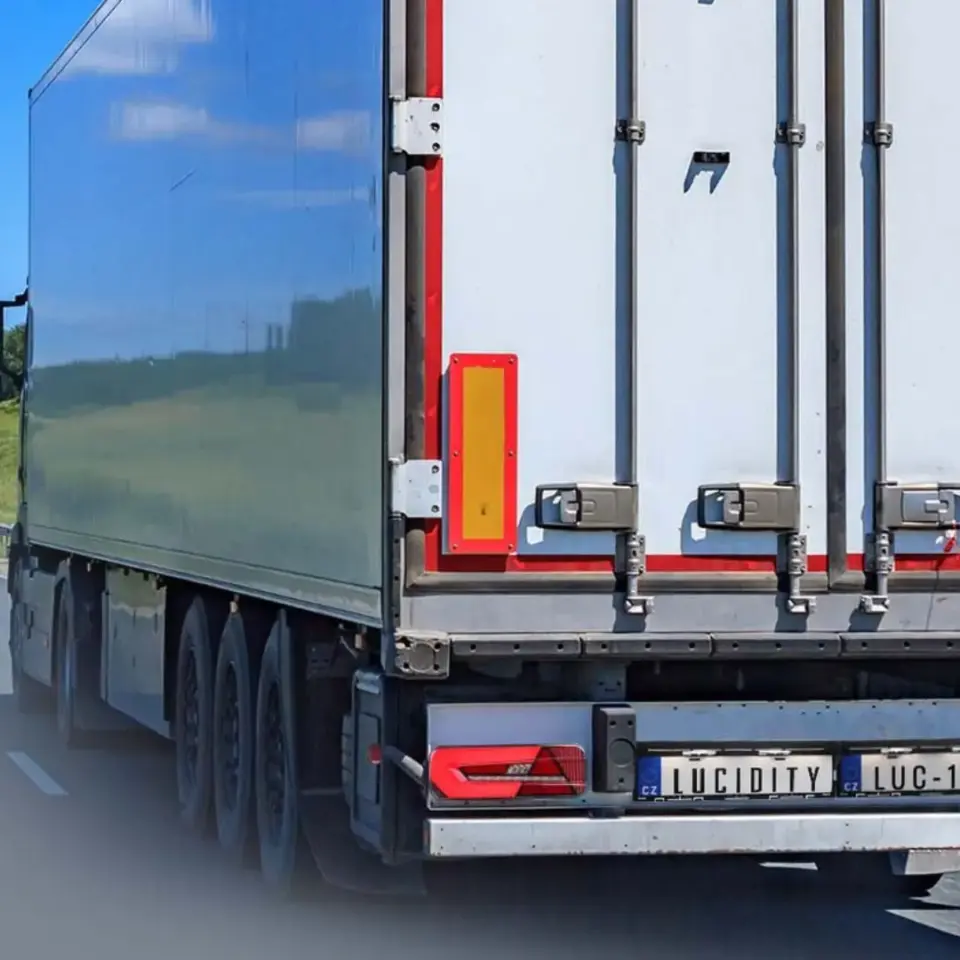
Your trailer lighting setup depends on trailer type, dimensions and use. However, most road trailers will require:
- Rear position lights (red)
- Brake lights (red)
- Indicators (amber)
- Number plate light (white)
- Rear reflectors (red)
- Rear fog light (red) on many larger trailers / caravans
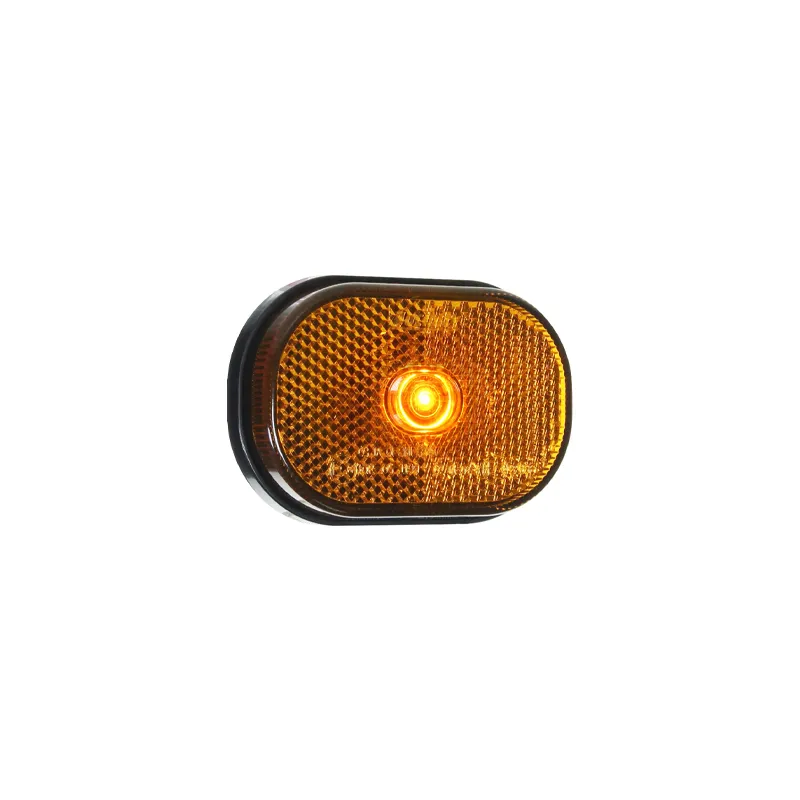
- Side marker lights (amber) for longer trailers where required
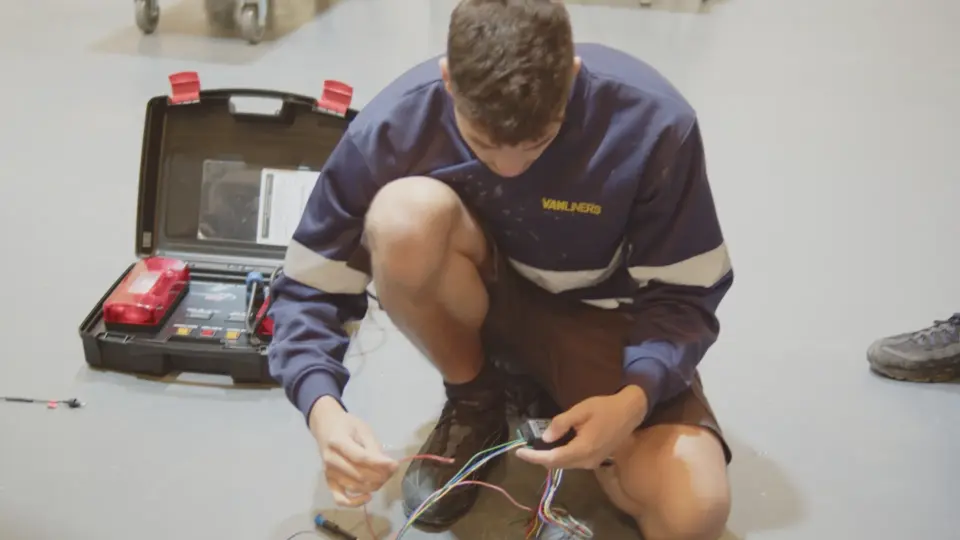
Practical tip: a high percentage of faults come down to poor earthing, damaged cables, water ingress, and incorrect connectors.
LED upgrades can also introduce “bulb failure” warnings or fast flashing indicators unless the towing vehicle and trailer system are
correctly matched (or supported with appropriate electrical solutions).
7-pin vs 13-pin: the basics you should know
In the UK, trailers often use either a 7-pin (12N) or 13-pin (ISO 11446) connector.
In simple terms:
- 7-pin typically covers core road lights (indicators, tail, brake, fog) but not always reverse or permanent power.
- 13-pin supports additional circuits such as reverse lights and power supplies (common for caravans).
If you tow caravans, 13-pin is widely used because it helps support extra functions and improved connections. If you tow mixed fleets,
it’s worth standardising and using suitable adaptors only when they are correctly rated and weather-protected.
Motor trade associations and trusted industry bodies
Alongside GOV.UK and legislation.gov.uk, these respected organisations can support best practice, training, and professional standards:
Institute of the Motor Industry (IMI)
– professionalism, technical standards and accredited training in the motor trade.
National Trailer and Towing Association (NTTA)
– promotes safe towing and trailer maintenance standards.
National Caravan Council (NCC)
– supports standards and technical guidance within the caravan and leisure vehicle sector.
Caravan and Motorhome Club
– consumer guidance and practical towing resources.
Society of Motor Manufacturers and Traders (SMMT)
– broader UK automotive industry insight and standards.
If you operate a trailer fleet, aligning your internal checks and training with recognised bodies helps demonstrate due diligence,
improves compliance, and reduces repeat faults.
Best-practice checks to reduce lighting faults
Whether you’re a trade workshop, fleet operator, or regular tower, these habits massively reduce lighting issues:
- Pre-tow light walkaround: check indicators, brakes, tails, fog, number plate light.
- Inspect plugs and sockets: look for corrosion, bent pins, loose covers, water ingress.
- Secure cabling: avoid rubbing points, pinch points, and hanging loops that snag.
- Check earth integrity: many “random faults” are poor earth returns.
- Use quality LED units: sealed, rated, vibration-resistant lights reduce downtime.
If you run a WooCommerce shop, this is also a great moment to point customers to compatible parts (cables, plugs, junction boxes,
marker lamps, fault eliminators) so they buy once and fit once.
Useful next steps:
• Shop trailer lights
• Shop plugs & connectors
• Need help choosing the right parts? Contact us
FAQs: Official government guidance on UK trailer lighting standards
Where is the official government guidance on UK trailer lighting standards?
The legal requirements are defined in legislation, primarily the Road Vehicles Lighting Regulations 1989 (RVLR) and the Road Vehicles
(Construction and Use) Regulations 1986, both available on legislation.gov.uk. Practical towing guidance is also available on GOV.UK.
Can DVSA stop me for a trailer lighting check?
DVSA carries out roadside enforcement checks in Great Britain. If your trailer lights are defective, missing, insecure, or not compliant,
enforcement action can follow depending on severity.
Do LED trailer lights need anything special?
LEDs are often more reliable and brighter, but some towing vehicles may interpret the lower current draw as a bulb failure.
In some setups, additional electrical solutions may be required to prevent dashboard warnings or indicator hyperflash.