A Complete Guide for Trailer Owners, Operators and Fleet Managers

Correct trailer lighting isn’t just about visibility — it’s a legal requirement in the UK. Whether you’re towing a small domestic trailer, a commercial plant trailer, a caravan, or a specialist unit, your trailer lights must comply with UK law every time you go on the road.
With the growing popularity of LED trailer lights, many owners ask the same questions:
- Are LED trailer lights legal?
- What lights are required on a trailer in the UK?
- Do LED lights need to be type approved?
This guide breaks it all down clearly, referencing UK Government legislation, DVSA enforcement standards, and Construction & Use Regulations, so you know exactly where you stand.
Are LED Trailer Lights Legal in the UK?
Yes — LED trailer lights are legal in the UK, provided they meet the correct standards.
LED lights are now widely used on:
- Commercial trailers
- Plant and equipment trailers
- Car transporters
- Horse trailers
- Caravans
- Utility and domestic trailers
However, legality depends on compliance, not the technology itself.
To be road legal, LED trailer lights must:
- Be E-marked (type approved)
- Display the correct colour, position and function
- Work correctly with the towing vehicle
- Be fitted and wired correctly
Failure in any of these areas can result in roadside prohibitions, fines, or failed inspections.
UK Legislation Governing Trailer Lighting
Trailer lighting requirements in the UK are governed by several key regulations and enforcement bodies, including:
- GOV.UK
- Road Vehicles Lighting Regulations 1989 (RVLR)
- Road Vehicles (Construction and Use) Regulations 1986
- DVSA (Driver and Vehicle Standards Agency) roadside enforcement
These regulations apply to all trailers used on public roads, regardless of size or use.
Mandatory Trailer Lights in the UK
Under UK law, most trailers must be fitted with the following lights and reflectors.
Rear Trailer Lights (Mandatory)
Every road-going trailer must have:
- 2 red rear position lights
- 2 red stop (brake) lights
- 2 amber direction indicators
- 1 white rear number plate light
- 2 red triangular reflectors
These must be:
- Clearly visible
- Securely mounted
- Not obscured by loads or accessories
LED light clusters commonly combine all of these functions into a single sealed unit — provided they are approved.
Rear Fog Light (When Required)
A rear fog light is required on trailers:
- Over 750kg MAM, or
- Where the trailer obscures the towing vehicle’s fog light
Fog lights must:
- Be red
- Be mounted centrally or offside
- Only operate when the vehicle’s fog lights are on
Many modern LED trailer lights include integrated fog light functionality.
Reversing Light (13-Pin Systems)
Reversing lights are:
- Mandatory on trailers first used after 1 October 2012 where a 13-pin connection is fitted
- Optional on older trailers
If fitted, reversing lights must:
- Be white
- Only illuminate when reverse gear is selected
Front and Side Trailer Lighting Requirements
Front Marker Lights
Trailers over 1.6 metres wide must display:
- White front position lights
- White reflectors
These help oncoming traffic judge the trailer’s width.
Side Marker Lights
Trailers over 6 metres long must have:
- Amber side marker lights
- Evenly spaced along the trailer length
Most LED side markers are low-profile, sealed units ideal for commercial and fleet use.
E-Marking and Type Approval Explained
One of the most misunderstood legal requirements is E-marking.
What Is E-Marking?
E-marking confirms that a light has been tested and approved to recognised standards for road use.
A compliant LED trailer light will display:
- An “E” or “e” mark
- A number identifying the country of approval
- A function code (e.g. stop, tail, indicator)
Why E-Marking Matters
Using non-approved lights can lead to:
- DVSA prohibitions
- Insurance invalidation
- Failed roadside inspections
- Liability issues after collisions
At Trailer Solutions, we only supply fully E-marked LED trailer lights, suitable for UK road use.
LED Trailer Lights vs Traditional Bulb Lights
LED technology offers several legal and practical advantages:
- Faster illumination (improves reaction time)
- Lower power consumption
- Vibration resistant
- Fully sealed (often rated for water and dust resistance)
- Longer service life
- Reduced maintenance and downtime
This is why LEDs are now standard across most new trailers and fleets.
Common Trailer Lighting Failures That Lead to Prohibitions
DVSA roadside checks frequently identify lighting faults such as:
- Incorrect colours
- Inoperative indicators or brake lights
- Non-functioning number plate lights
- Poor earth connections
- Non-approved light units
- Obscured or damaged lenses
LED systems reduce many of these issues — but correct installation is critical.
Wiring, Plugs and Compatibility
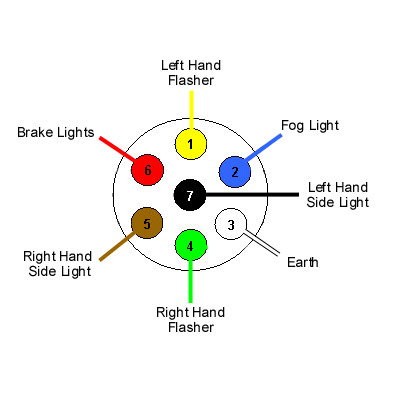
7-Pin vs 13-Pin Connections
- 7-pin plugs: Basic lighting only (no reverse or permanent power)
- 13-pin plugs: Full lighting, reverse light, auxiliary power
LED trailer lights must be compatible with the plug type fitted and may require:
- Vehicle bulb monitoring compatibility
- Load resistors or fault eliminators (for some vehicles)
Enforcement and Responsibility
Responsibility for compliant trailer lighting sits with the driver, the operator, and the fleet owner.
During roadside inspections, DVSA officers can:
- Issue PG9 prohibitions
- Prevent onward travel
- Escalate defects to operator compliance records
This makes correct lighting not just a safety issue — but a compliance one.
Why Buy LED Trailer Lights from Trailer Solutions?
At Trailer Solutions, we specialise in professional-grade LED trailer lighting, suitable for:
- Commercial fleets
- Workshops
- Manufacturers
- Trade customers
- Safety-critical applications
All our LED lights are:
- Fully E-marked
- UK-road legal
- Suitable for trailers, caravans and commercial vehicles
Final Thoughts
LED trailer lights are fully legal in the UK — but only when they meet the correct standards. Understanding the rules protects you from fines, prohibitions, downtime and insurance issues.
If you’re unsure whether your trailer lighting is compliant, upgrading to approved LED lights is one of the simplest and most effective improvements you can make.