LED lighting has become increasingly popular on cars in the UK. From headlights and sidelights to interior and accent lighting, LEDs offer improved brightness, longer lifespan and a modern appearance. But a common question remains: are LED car lights legal in the UK?
The short answer is yes — but only when they meet specific legal requirements. Not all LED car lights are road legal, and incorrect upgrades are one of the most common causes of MOT failures and roadside enforcement issues.
This guide explains the UK legal position clearly, referencing UK Government regulations, so you know exactly where you stand.

What UK Law Governs Car Lighting?
Vehicle lighting in the UK is governed primarily by the Road Vehicles Lighting Regulations 1989. These regulations set out what lights a vehicle must have, what colour they must be, how bright they can be and when they can be used.
Guidance on vehicle lighting is published by the UK Government on GOV.UK, with enforcement carried out by the Driver and Vehicle Standards Agency (DVSA) and the police.
The regulations apply to all vehicles used on public roads, regardless of age, use or lighting technology.
Are LED Headlights Legal in the UK?
This is where most confusion arises.
Factory-fitted LED headlights are legal in the UK. If a vehicle is originally manufactured with LED headlights, they will already meet the required standards for road use.
However, aftermarket LED headlight conversions are generally not legal if they replace halogen bulbs in a headlamp unit that was not designed for LEDs.
According to UK regulations and MOT guidance:
- Headlamp units are approved as a complete system
- Changing the bulb type can invalidate that approval
- LED bulbs fitted into halogen headlamp units are usually not road legal
This means that simply swapping a halogen headlight bulb for an LED equivalent is likely to be non-compliant, even if the light output appears good.
What About LED Sidelights, Brake Lights and Indicators?
LED technology is far more widely accepted for other vehicle lights.
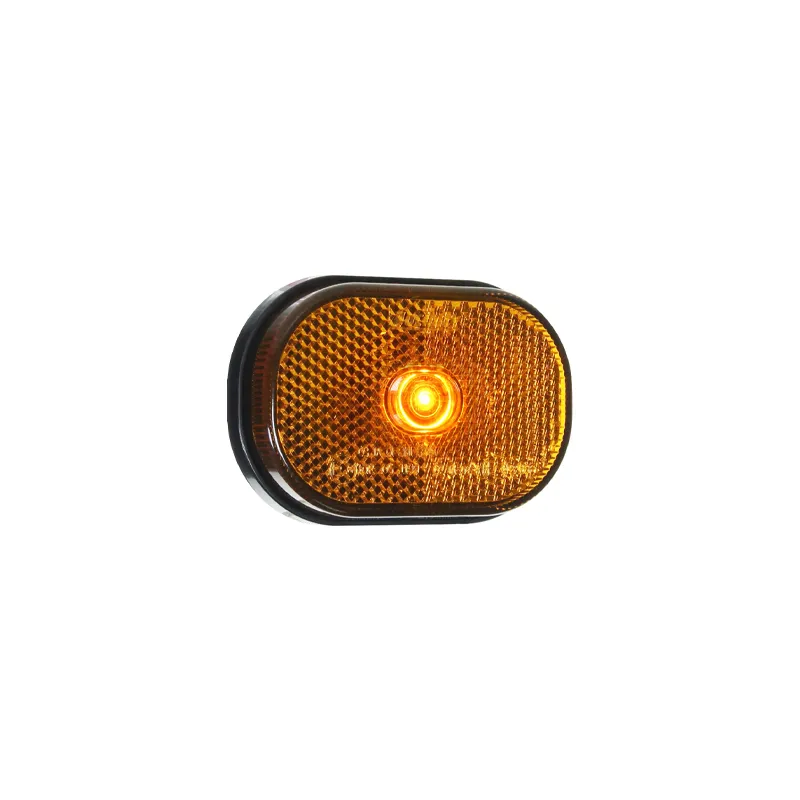
LED sidelights, brake lights, indicators and rear lights are legal in the UK provided they:
- Emit the correct colour
- Are not excessively bright
- Do not dazzle or confuse other road users
- Are suitable for their intended function
On many modern vehicles, LED rear lights are fitted as standard. Aftermarket LED replacements are generally acceptable in these positions, as long as they operate correctly and do not trigger warning lights or faults.
Colours of LED Car Lights – What’s Allowed?
The law is very clear on permitted light colours:
- White: Front-facing lights (headlights, sidelights, reversing lights)
- Red: Rear-facing lights (brake lights, rear position lights)
- Amber: Indicators only
Any other colours — such as blue, green or purple — are not permitted on public roads.
Blue lights are strictly reserved for emergency vehicles, and fitting them to a private car is illegal.
Are LED Daytime Running Lights (DRLs) Legal?
Yes. LED daytime running lights are legal and are fitted as standard to many modern vehicles.
DRLs must:
- Be white
- Face forward
- Automatically switch off or dim when headlights are turned on
Aftermarket LED DRLs are legal if they are fitted correctly and do not cause glare or distraction.
Interior and Accent LED Lighting – Is It Legal?
Interior LED lighting inside the cabin is generally legal, as long as it:
- Does not distract the driver
- Is not visible from outside the vehicle in a way that causes confusion
However, exterior accent or underbody LED lighting is far more restricted.
If coloured LED lights are visible from outside the vehicle while driving on public roads, they may be considered illegal — particularly if they resemble emergency vehicle lighting or distract other road users.
MOT Rules and LED Car Lights
LED car lights are frequently checked during the MOT test.
Your vehicle may fail an MOT if:
- Lights are the wrong colour
- Lights are excessively bright or misaligned
- LED headlight conversions cause poor beam patterns
- Warning lights are triggered due to LED incompatibility
The MOT tester must assess whether the lighting is safe, secure and compliant with regulations.
Common Mistakes with LED Car Lights
Some of the most common issues seen during roadside checks and MOT inspections include:
- Fitting LED bulbs into halogen headlamp units
- Using non-approved LED products
- Incorrect colours or flashing effects
- LED lights causing glare or dazzle
- Dashboard warning lights due to CAN-bus issues
Just because an LED light fits and works does not automatically make it legal.
How to Make Sure Your LED Car Lights Are Legal
To stay compliant:
- Only use LED lights designed for the correct application
- Avoid LED headlight conversions unless the full unit is approved
- Stick to permitted colours and positions
- Check MOT guidance and GOV.UK advice
- When in doubt, seek professional advice
Official guidance can be found on GOV.UK – vehicle lighting requirements.
Final Thoughts
So, are LED car lights legal in the UK? Yes — but only when they comply with UK lighting regulations.
Factory-fitted LED systems are legal, and many aftermarket LED lights are permitted for sidelights, indicators and rear lighting. However, LED headlight conversions are where most drivers fall foul of the law.
Understanding the rules protects you from MOT failures, fines and safety issues — and ensures your vehicle remains fully road legal.